Municipal Concrete Services
Concrete curbing, sidewalks, and public access infrastructure built by Triple R Paving are strong, reliable, and support long-term site performance.
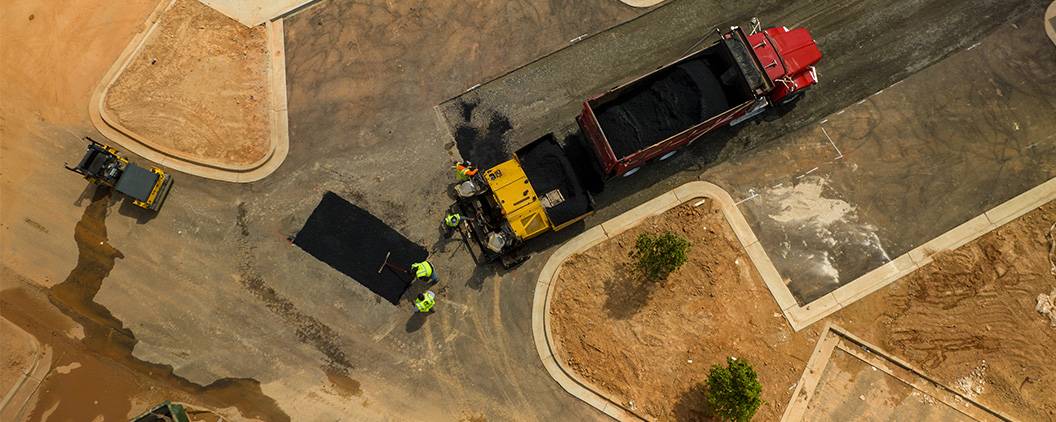
Across city and county properties, concrete features take a beating. A small crack becomes a trip hazard. A worn curb stops directing water. A settled sidewalk panel creates drainage issues or ADA concerns. That’s why municipal concrete work has to be done with durability, safety, and long-term function in mind.
Triple R Paving provides Municipal Concrete Services for public-sector organizations that need dependable curbing, sidewalks, and structural concrete built to last. We complete projects for roads, civic campuses, parks, libraries, public parking lots, and government-owned facilities where concrete performance directly affects safety, accessibility, and infrastructure life.
Why Municipal Agencies Rely on Triple R Paving
Concrete work on public properties has to support daily use, weather exposure, and long-term wear. Triple R Paving understands how concrete condition, drainage, pedestrian flow, and site function all connect.
We provide:
We focus on work that solves the problem, not work that only covers it up.
Our Municipal Concrete Services
Triple R Paving delivers concrete work that supports safer walkways, stronger edges, and better site function across city and county properties. We look at how the site is used, how water moves, and what improvements will make the biggest difference.
Our work may include:
Some projects involve a single sidewalk panel. Others require coordinated work across a campus, park, or civic property. The right solution depends on how the site functions and what the community needs.
What Municipal Concrete Work Includes
Municipal Concrete Services cover the construction, repair, and improvement of concrete features that support public use and long-term infrastructure goals.
Depending on the site, this work may include:
The goal is simple: build concrete features that perform well, last longer, and support the community.
Why Quality Concrete Matters for Municipal Properties
Concrete is one of the most visible and heavily used parts of public infrastructure. When it breaks down, the impact is immediate—safety concerns, accessibility issues, and higher maintenance costs.
Good concrete work helps support:
For municipal agencies, quality concrete is not just a construction detail. It is part of protecting public investment.
Common Concrete Problems on Public Properties
Municipal concrete issues show up in different ways depending on the site. Some are easy to spot. Others start small and grow into larger infrastructure problems.
Common problems include:
These issues are common across public roads, civic campuses, parks, libraries, community centers, and government-owned buildings.
Where Concrete Problems Typically Cause the Most Damage
Concrete issues rarely stay in one place. They spread, worsen, and affect how the entire site functions. These are the areas where municipal concrete problems tend to show up first.
Sidewalks and Walkways
Sidewalks need proper construction to stay safe and accessible. Settlement, cracking, and uneven surfaces can create hazards for pedestrians and ADA users.
Curbs and Gutters
Curb and gutter systems help direct runoff and protect pavement. When those areas fail, the site can develop standing water, erosion, and pavement deterioration.
Public Entrances and Access Points
High-traffic areas around civic buildings, parks, and community centers often show wear first. Damaged concrete in these locations affects safety and site function.
Roads and Parking Lots
Concrete features tied to roadways and parking lots—such as curbing, pads, and drainage structures—play a major role in how the entire paved area performs.
Let’s Talk About Your Municipal Concrete Needs Before They Become Larger Infrastructure Problems
Concrete issues rarely stay small. The longer they’re left alone, the more they cost to fix. For many municipal organizations, addressing concrete needs early is one of the most practical ways to protect public infrastructure.
If your agency is dealing with cracked sidewalks, failing curbs, settlement, or accessibility concerns, Triple R Paving can help. Our team provides expert municipal concrete services that support safer surfaces and better long-term performance. Reach out to discuss the site, the concrete needs, and what should happen next.